Aerospace
Airpower Simplified: Dogfight vs BVR engagements
The duel between knights of the sky has become almost obsolete. BVR fight has replaced the traditional dogfight.
Sqn Ldr (R) Ali HamzaFormer Military Aviator16 Sept 20262 min read
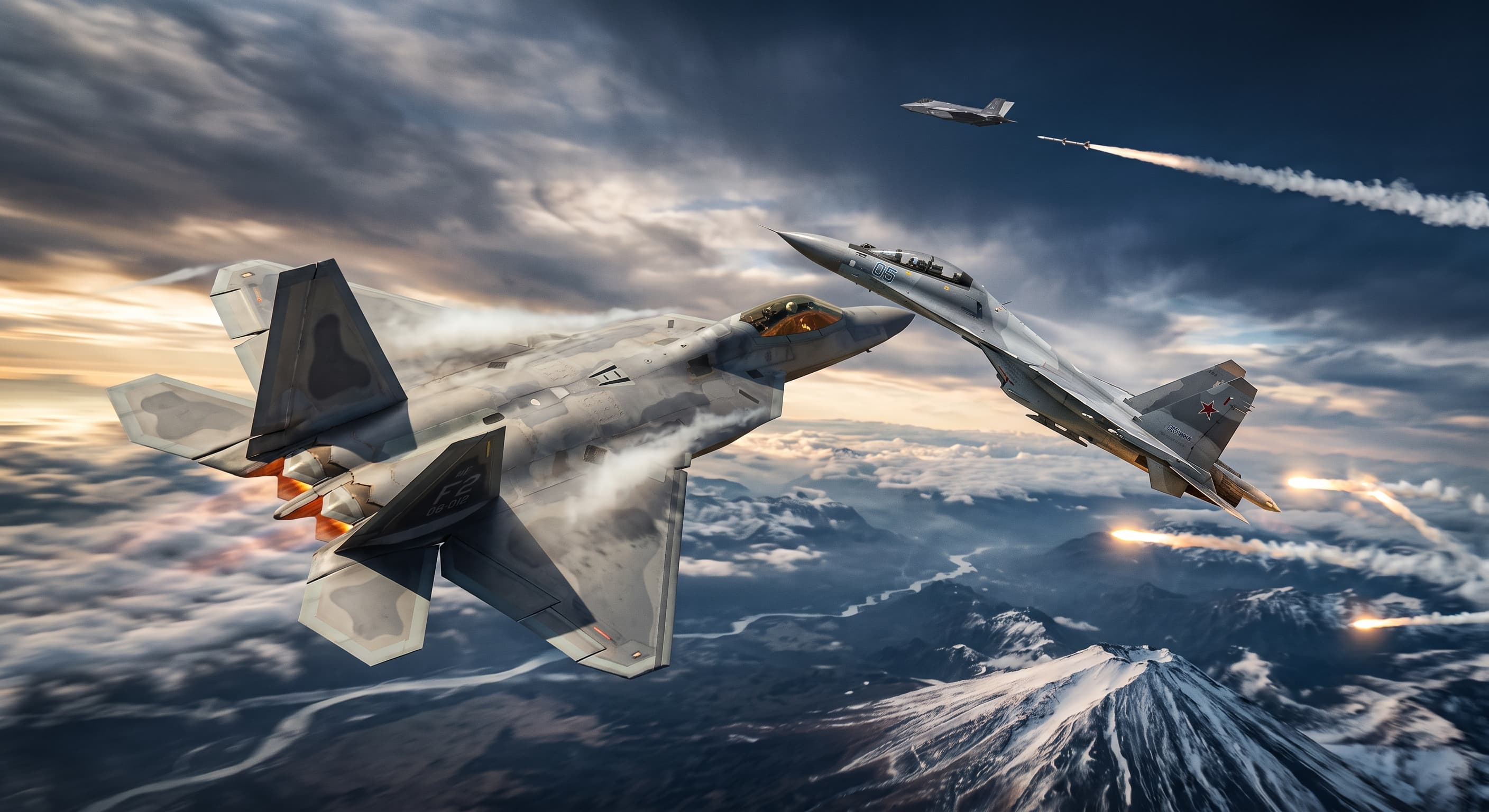
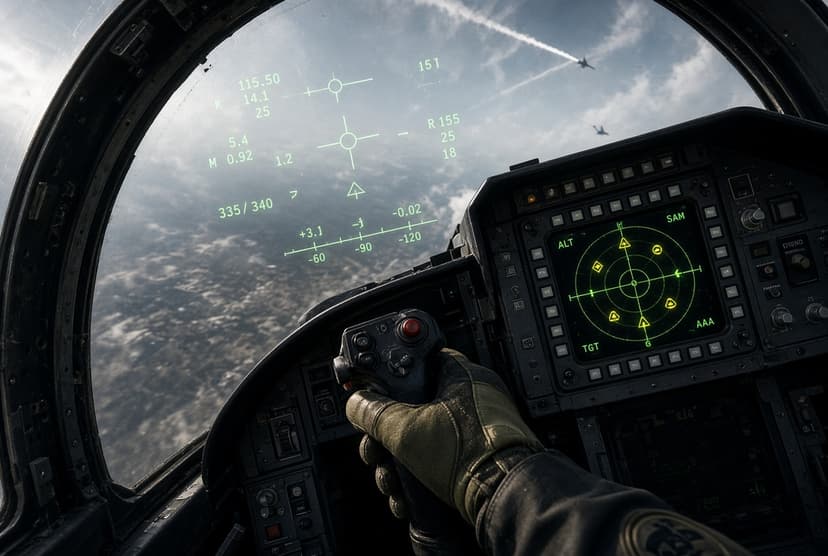
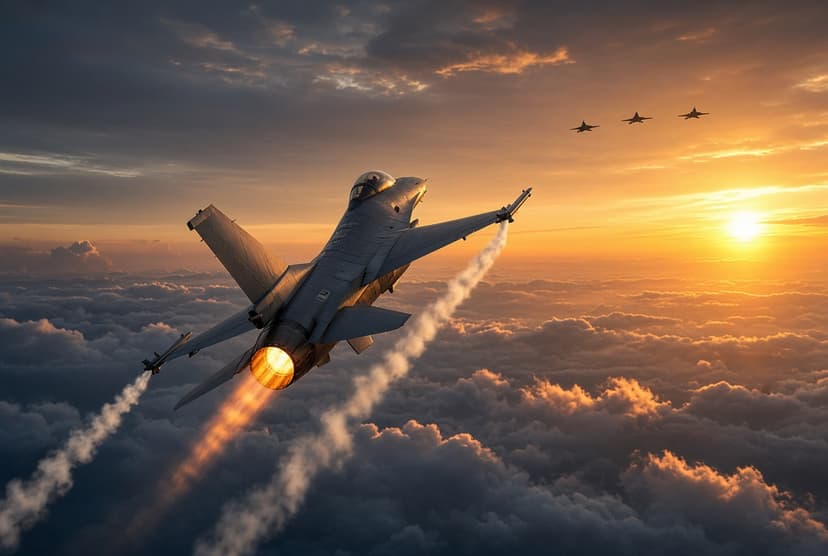
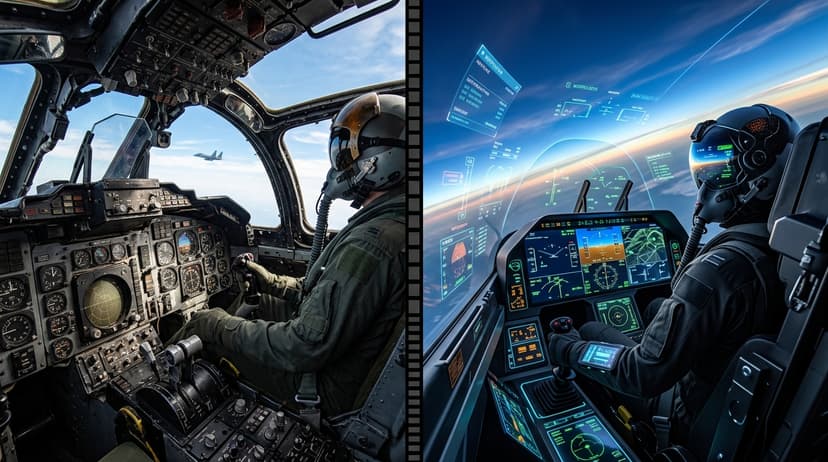
Dogfight became a buzzword even in the non-aviation circles, thanks to Top Gun’s Maverick, among many other Hollywood movies. However, with all the romance of aerial knights fighting in close quarters since World War I, the modern combat in third dimension is becoming a long-range affair. The recent Indo-Pak conflict is a testament to this fact that one does not have to see the enemy aircraft to shoot them down.
1. BVR means Beyond Visual Range: As the name implies, BVR combat is fought between aircraft which are beyond the human ability to see physically. It is possible with the help of technology to lock an aircraft at more than 300 km by using modern radars. Once the adversary’s position is known, a missile can be fired to hit the target at ranges up to 200 km.
2. BVR fight is at more than 40 km: Though it is a factor of good eyesight, it is typically referred as BVR when target is more than 40.75 km or 22 NM (nautical miles) apart.
3. So, can you see a target at 38 km? It does not mean that a pilot can see every target within 40 km range. However, the distinction is there because many modern IR missiles (infrared, heat-seeking, e.g. AIM-9 X Sidewinder) have ranges that can hit targets in this range under ideal circumstances. Hence, this does not require use of radars to lock the target or use of BVR missiles. (though they can certainly be used in this range too)
4. BVR Advantages: It goes without saying that shooting an enemy at as long distance as possible gives one the upper hand in any fight, with reduced risk to oneself. Moreover, early within visual range or dogfight had a lot of other limitations like continuous manoeuvring to get in firing position, narrow launch zones, unavailable heat signature due background, etc. Although modern all-aspect IR missiles have overcome some of the issues, yet BVR missiles are pinnacle of contemporary weapons and a pilot’s preferred option. To enumerate each advantage will result in a much longer list, but I think I do not have to drive the point home anymore by emphasizing the importance of BVR technology.
5. Types of BVR missiles: The older missiles in Vietnam War era were based on principle of ‘semi-active radar homing’ in which a missile was totally dependent on aircraft’s Fire Control Radar (FCR) to seek the target. The debate about inefficiency of those missiles and requirement of guns in US F-4 aircraft is a long one and not needed here. The reason for that is the ‘active radar homing’ BVR technology. These missiles have their own radars to guide them which permits the shooter a fire-and-forget capability, instead of continuous radar illumination of target to guide the semi-active missiles.
6. Some Latest BVR Missiles: Few of the modern BVR missiles are listed below.
· USA: AIM-120D AMRAAM, AIM-174, AIM-260 (under development)
· China: PL-12, PL-15, PL-17
· Europe: MICA, Meteor
Russia: R-77, R-37M (NATO names: AA-12 Adder, AA-13 Axehead)

Former Military Aviator
Sqn Ldr (R) Ali Hamza
Editor-in-chief
Ali Hamza served in PAF for 20 years as a fighter and Instructor pilot, with a stint on helicopters. Choosing academia over commercial flying, he did his double masters in International Relations and Defence & Strategic Studies. Currently an MPhil IR scholar and CEO of AeronautIR Solutions, his research interest lies in espousing aerospace with geopolitics.