Aerospace
Understanding Multi-Domain Operations, the new art of war in era of Emerging Technologies
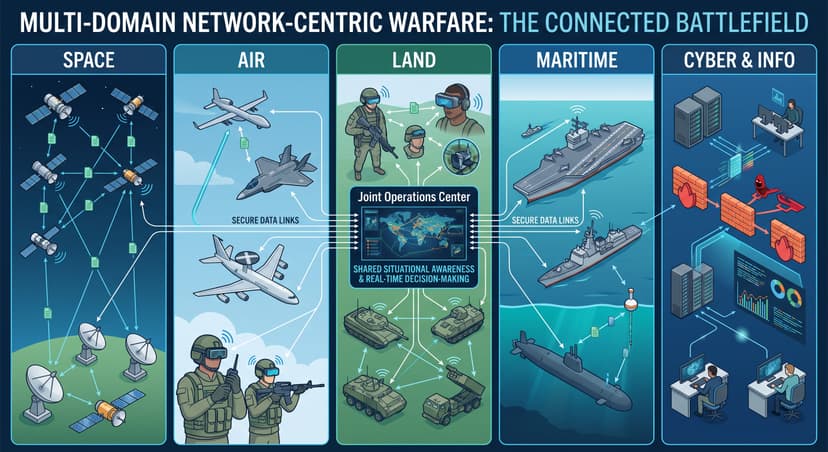
Land, air, sea, space and cyber were once separate campaigns. Modern doctrine treats them as one problem and most militaries are not built for it
Sqn Ldr (R) Ali HamzaFormer Military Aviator29 Aug 20263 min read
Modern Art of War: Multi Domain Operations
For any avid observer of modern warfare and use of emerging technologies in the defence sector, the buzzword of the day seems to be Multi Domain Operations (MDOs), focused on networking among multiple fields. Just to quote a few examples from South Asia to NATO, one just needs to read this article published in world’s leading aviation platform Key Aero on 4th February 2026 by Alan Warnes. “Swedish Air Force commander interview - Heading for Multi Domain Ops” Swedish Multi Domain Operations endeavour (Key.Aero is a comprehensive digital platform launched in 2019 by Key Publishing that serves as a central hub for aviation enthusiasts. It offers news, in-depth features, and analysis covering military, commercial, and historic aviation, alongside flight simulation content, videos, and a community forum.)
Another example is the attempts by Indian armed forces with launching programs worth billions of dollars for improving integration and to shift towards network-centric warfare. One must say that this does not seem like a coincidence. Though the importance of non-kinetic domains in recent conflicts has been clear, some sceptical audience thinks ‘seeing is believing’ and it took a practical demonstration by Pakistan in may conflict to convince the doubters. The previous article published here by the author was aimed at importance of information security (InfoSec) for operational security (OpSec) of military plans. This article will explain the phenomenon of these ops further, though the detailed in-depth analysis requires a whole series about all these technical terminologies for a simple explanation that can be understood by even a layman.
As discussed last time too, the domains of land, sea and air were the only ones that were exploited by the military commanders during wars. However, nowadays a modern battlefield cannot only depend on kinetic weapons like guns and missiles. The result of the botched Op Sindoor by Indian Air Force (IAF) on the night of 7th May 2025 is a testament to the fact. Before talking about the 4-day conflict in another episode, we need to understand how a smaller Pakistan Air Force (PAF) successfully thwarted the misadventure of a far bigger adversary. The briefing by a senior PAF officer can be summarised briefly as ‘electromagnetic spectrum supremacy by EMOE (Electromagnetic ops environment), multi domain operations including CEMA (cyber and electromagnetic activities) alongside orthodox air combat tactics.’
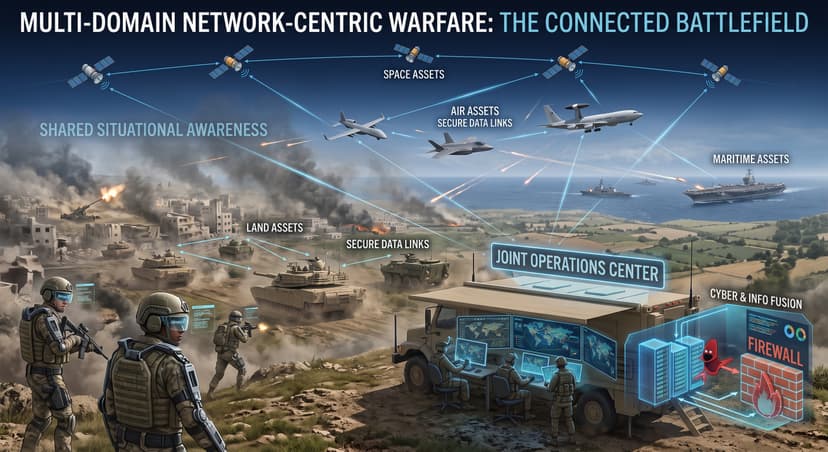
We need to develop a simple understanding of MDOs before indulging in the details of cyberwarfare, AI algorithms in weapons, drones and other emerging technologies that have become a cornerstone of strategic decision making. There can be more domains like Quantum technology-based computers and radars, but the main ones are as following:
Land
Air (includes drones)
Sea
Cyber (includes AI, EW)
Space (includes anti-satellite/jamming capabilities)
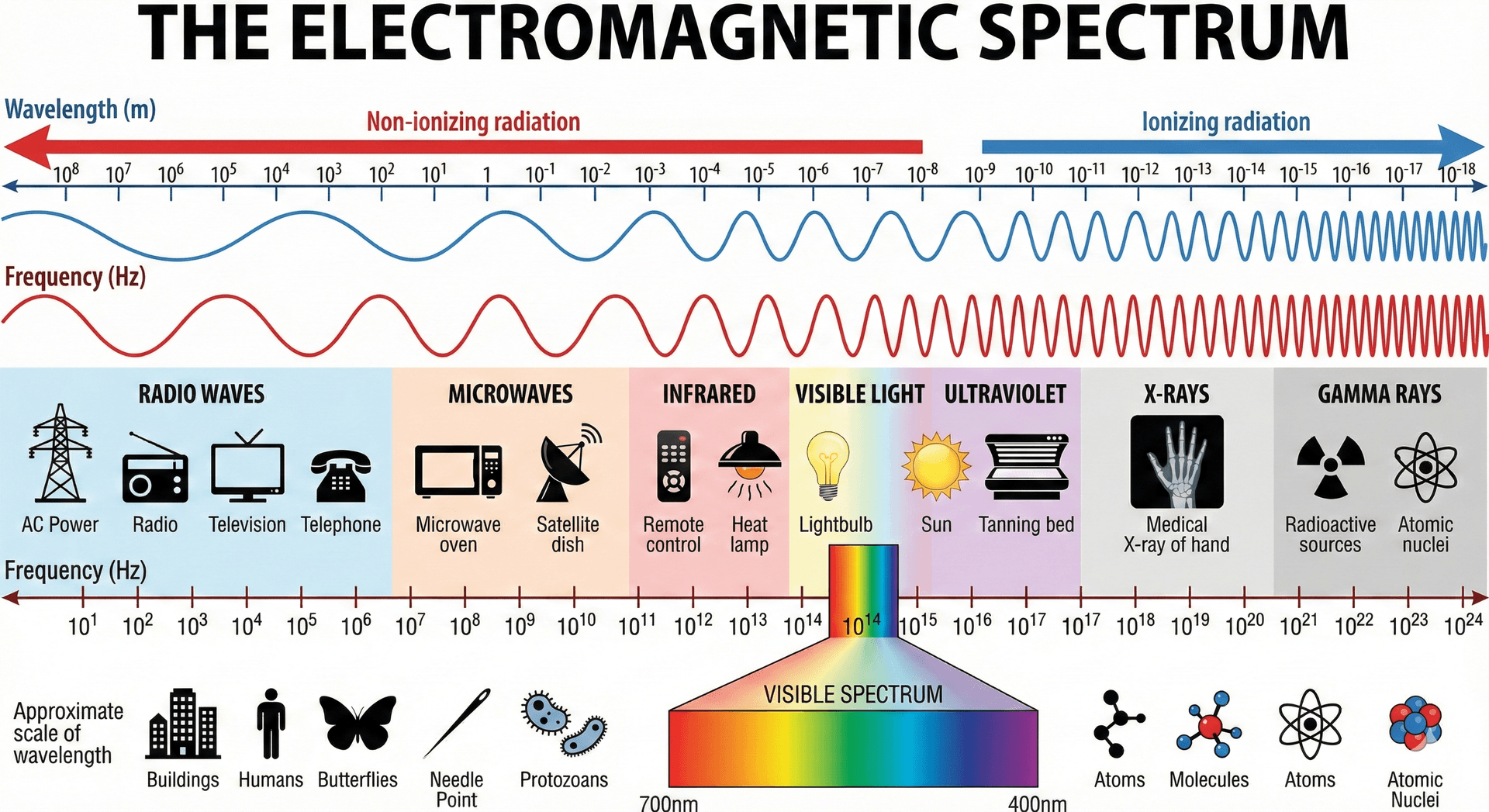
Though some of them can overlap, but at the core of it all in electromagnetic spectrum and integration of sensor-shooter networks with all ISR (intelligence, surveillance, reconnaissance) capabilities.
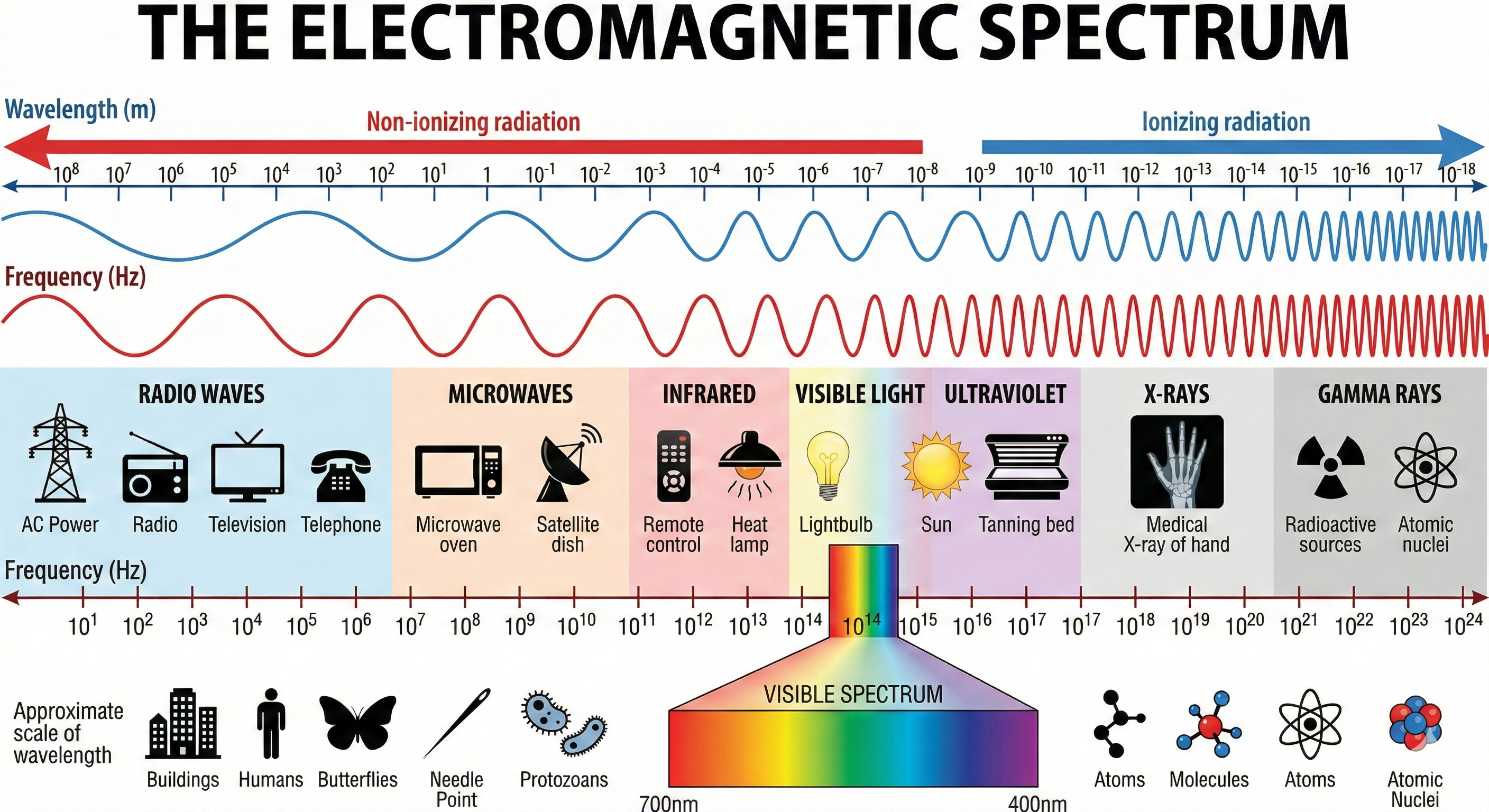
Spectrum Supremcy lies at heart of MDOs
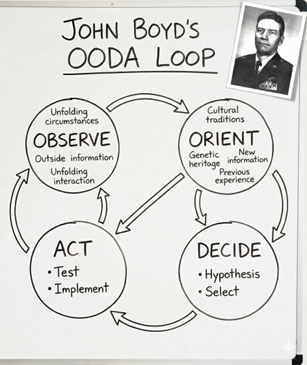
The last thing to understand before making a simple model of it is OODA loop, made by USAF Colonel (retd) John Boyd. The Observe–Orient–Decide–Act loop is a decision‑making cycle that helps outpace an opponent by adapting faster than they can. It improves agility in conflict or competition by continuously updating actions based on new information. The OODA Loop is crucial for modern militaries because it enables faster, more adaptive decision‑making than the adversary. It supports multi-domain operations, helping forces react swiftly to changing battlefield conditions and gain a decisive tempo advantage.
With this basic knowledge, we can wrap it up here and leave the details for future writings. By keeping the spectrum at base, the next thing in C4ISR (command, control, communication and computers), which leads to the OODA loop, outmanoeuvring the adversary through network-centric warfare (NCW) and this all is encompassed by the doctrine of multi-domain C2 (command and control), as shown below.
Though a vast subject, this elementary understanding can act as basis for further study regarding any part of this process. With current focus on MDOs by Pakistan Armed Forces, the changing character of warfare means no future conflict can be fought without the help of machines like satellites and computers along with conventional weapons.

Former Military Aviator
Sqn Ldr (R) Ali Hamza
Editor-in-chief
Ali Hamza served in PAF for 20 years as a fighter and Instructor pilot, with a stint on helicopters. Choosing academia over commercial flying, he did his double masters in International Relations and Defence & Strategic Studies. Currently an MPhil IR scholar and CEO of AeronautIR Solutions, his research interest lies in espousing aerospace with geopolitics.