Analysis
The Mecca Pact and what Oil Money cannot Buy
A Saudi F-15 reportedly downed over Marib is a reminder that the standoff-range dominance of modern airpower is an illusion. What Pakistan brings to the Saudi–Turkey Mecca defence pact isn't hardware or a nuclear umbrella; it is decades of combat experience that oil money can't buy.
Ahsen NiazFormer Fighter Pilot18 Sept 20263 min read
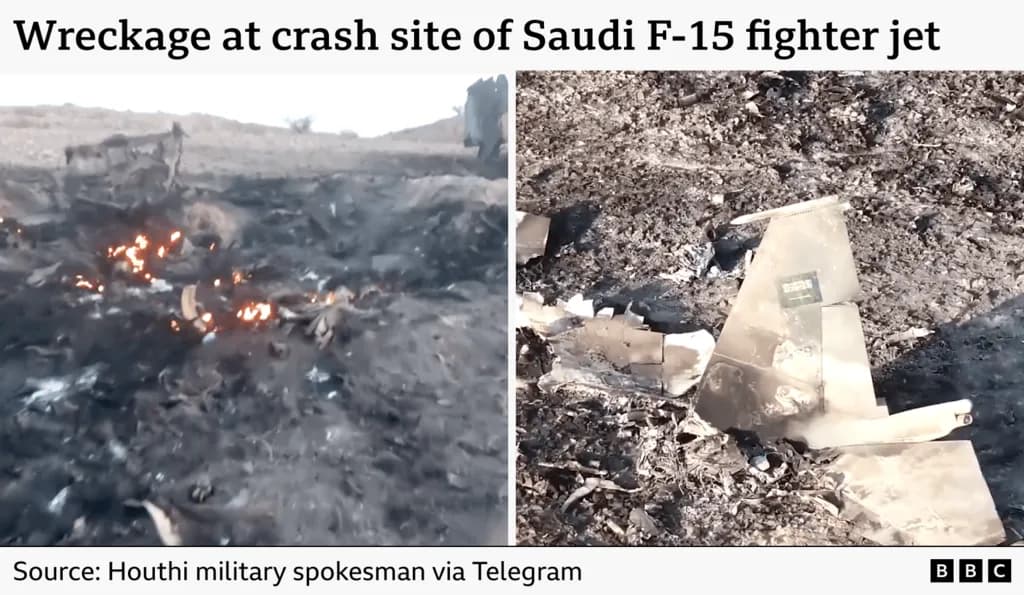
During the recent flare-up between the Houthis and the Kingdom of Saudi Arabia, a Saudi F-15 was reportedly shot down over Marib — brought down, by most accounts, by an infrared-guided missile. The asymmetry between the Houthis’ means and the sheer might of the Saudi war machine is no secret. On paper it is David versus Goliath. But wars are not fought on paper.
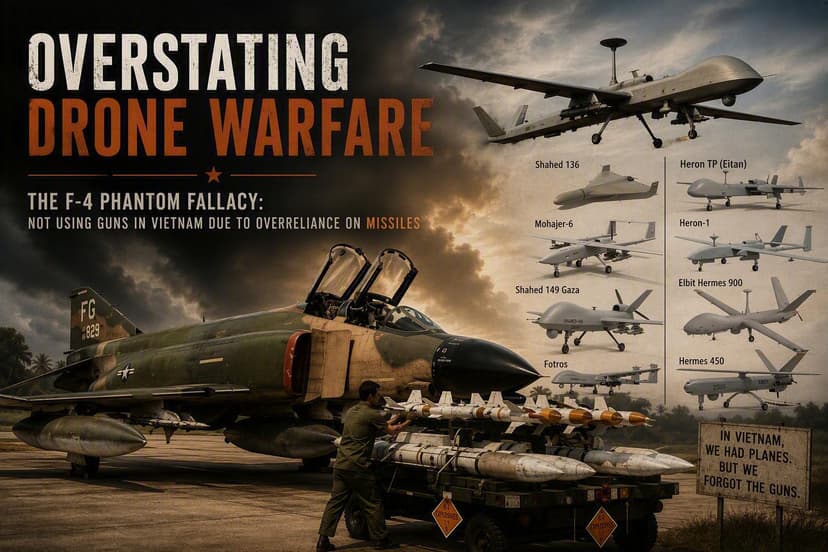
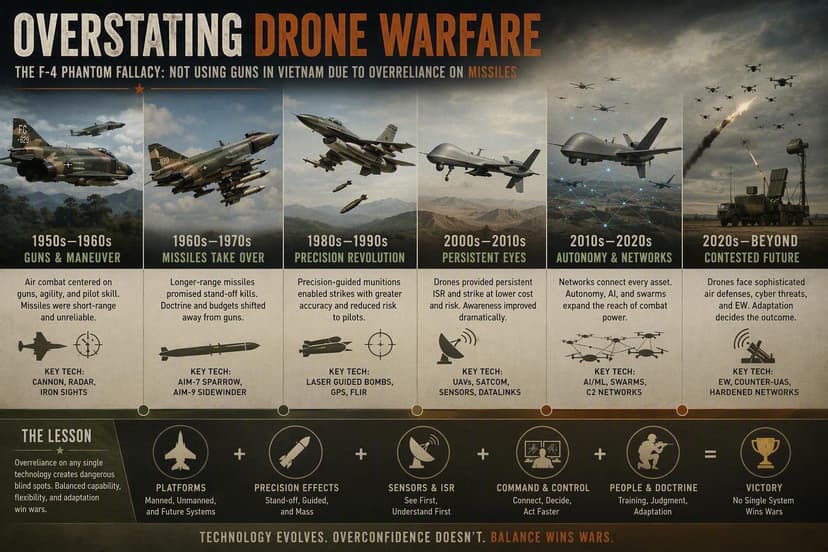
Modern technology has turned airpower from a close-range brawl into a standoff-range affair, and with it has come a dangerous illusion of invincibility. What makes the Marib shootdown so telling is how it happened: much of the Houthi kill chain runs on passive infrared rather than fire-control radar. There is no warning tone, no spike on the RWR, and the first sign that you have been tracked can be the missile itself. The most advanced Eagle in the sky is not immune to a scrapyard with good ideas.
Here is the part that matters. The aircraft cannot save itself from that missile on its own if sensors never see it coming. But the pilot can. A hard break at the right instant, a well-timed flare, a defensive move burned so deep into muscle memory that it fires before conscious thought, a scanning technique wired into the eyelids of the pilot. That ability does not come bundled with the airframe, and it cannot be bought at any price. It is earned, in years in the cockpit, in real threats faced and survived, in the doctrines and training regimes written from those encounters, sometimes in ink and sometimes in blood. It is exactly what the PAF has. And it is exactly what got me thinking about the Mecca pact.
Set the nuclear umbrella aside for a moment. Pakistan’s deterrent now stretches over Saudi soil — the first time an Arab Gulf state has sheltered under the bomb of a nuclear power, and on its own enough to redraw the region’s math. But it is not the hardest thing on that table to replace. So ask the sharper question: what else can Pakistan offer Riyadh and Ankara that they cannot simply buy?
The answer is the one thing money cannot procure. A trained fighting force with decades of real warfighting experience, in both the conventional and the sub-conventional domain.
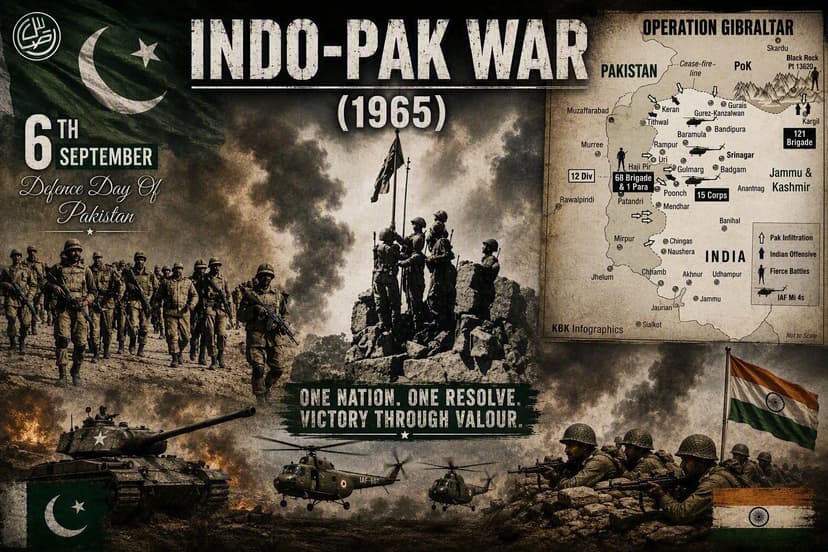
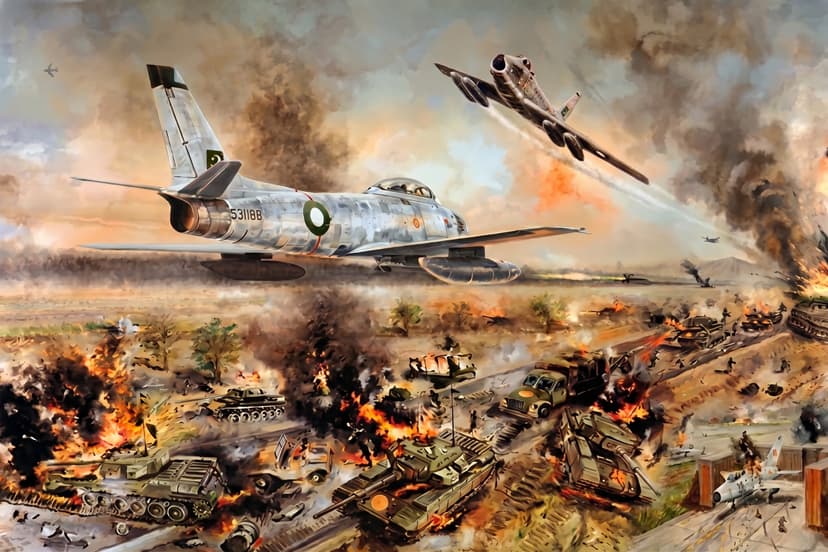
The PAF is a genuine rarity. It has spent its entire existence holding off and at times thwarting an adversary many like to call “near-peer.” Except the Indian Air Force is not near-peer. It is close to three times the PAF’s size in numbers and budget, which means the PAF has had to be three times better simply to hold the line. And India is not the whole of it: PAF pilots clashed with Soviet aircraft along the Afghan frontier during the Cold War, and the force has spent the better part of two decades fighting the war on terror in its own skies. Its institutional memory of these fights is, quite simply, unparalleled.
The warfighting ethos / the doctrines written in blood / the lessons learned the hard way / the training regimes built around all of it. These are the things the PAF keeps closest to its chest. And no amount of oil-money billions can buy them.
Source: CNN — “Houthis release video claiming to show downed Saudi F-15” (17 Sept 2026); additional detail via The War Zone.

Former Fighter Pilot
Ahsen Niaz
Writer
Ahsen Niaz flew fighters in the PAF before moving into technology. He writes on airpower employment, regional security, and the gap between published capability figures and operational reality.